
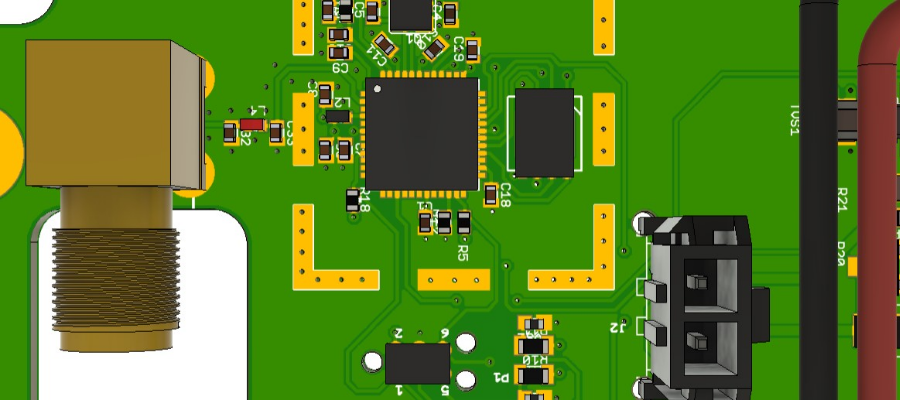
[029] WI-FI ROUTER WITH AC AND BATTERY POWER

A compact ESP32-based router powered from 230 VAC mains, with a Li-Ion backup battery. When the mains fails, the battery takes over — transparent to the network.

The firmware sets up the ESP32 in a multi-role Wi-Fi configuration (uplink + local access point), handles link monitoring, automatic reconnection, and basic system supervision (watchdog, status reporting). The battery section covers safe charging, protection, and voltage monitoring to prevent undervoltage operation and keep source switching predictable.

Not the most technically complex project, but exactly the kind of device that’s genuinely useful to have around when connectivity can’t afford to drop.
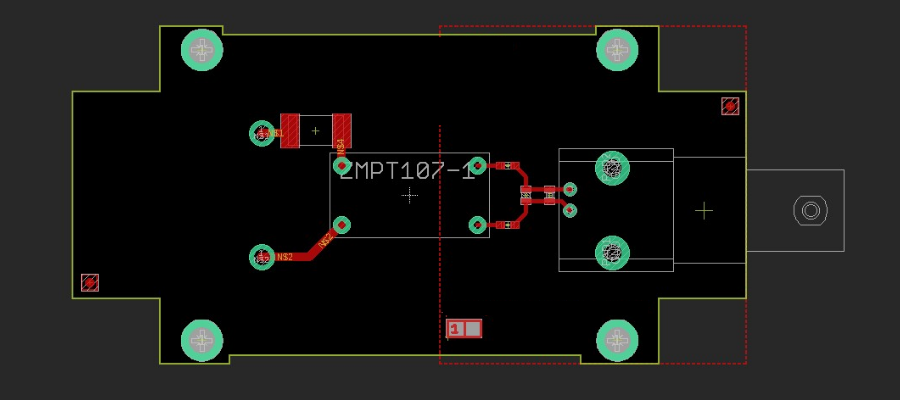
[021] ISOLATED MAINS VOLTAGE PROBE FOR OSCILLOSCOPE

Measuring 230 VAC directly on a scope, without the right interface, is either dangerous or useless. That’s what this probe is for.

It provides full galvanic isolation between the measurement side and the oscilloscope input — which is usually earth-referenced. It preserves enough signal fidelity for meaningful waveform analysis while staying robust enough for repeated bench use.

Everything is packaged inside a dedicated enclosure, making it a real lab instrument rather than a bare circuit on a desk. It’s the kind of tool you build once and use on every project involving mains: switching power supplies, protection circuits, sensing stages, anything that has to survive and behave correctly at 230 VAC. Worth every hour spent building it.