
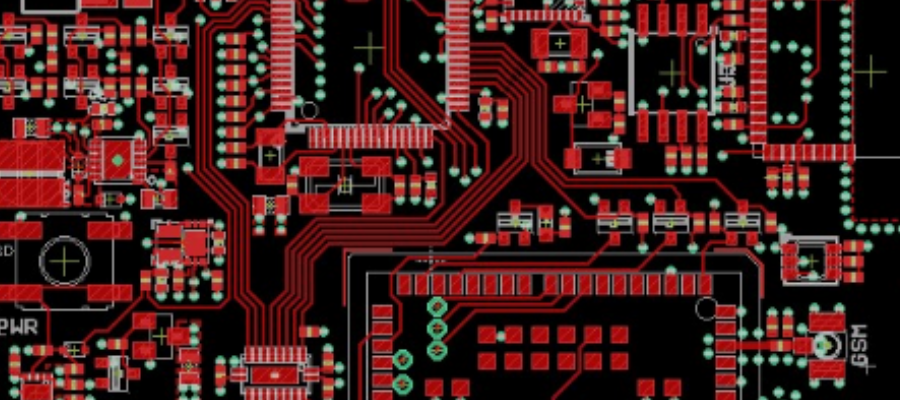
GPS, 9-axis IMU, 4G modem with 2G fallback, BLE, Li-Ion battery — all on one compact platform built around an STM32L152.
4G is the primary communication path, with 2G taking over if coverage degrades. BLE provides a local interaction layer through a smartphone — configuration and status access without going through the cellular network. The IMU adds motion awareness on top of positioning: not just where the device is, but how it’s moving.
In a product like this, energy management is its own engineering challenge. The cellular modem, GNSS receiver, and IMU all have very different power profiles, and the whole thing has to run on battery in unpredictable field conditions. A real system architecture problem from start to finish.